- When to go
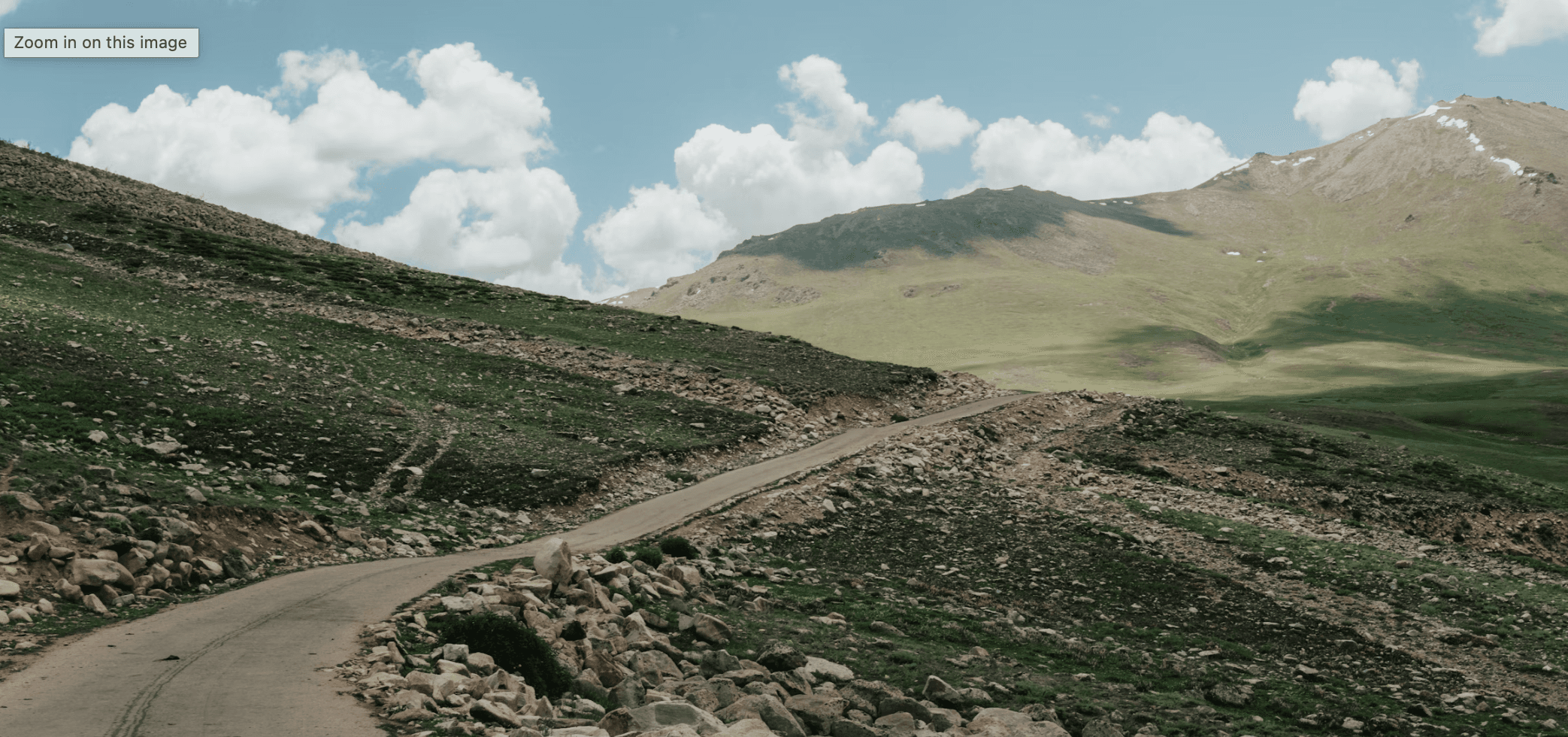
Spring (March to June) and autumn (September to November) are the most comfortable seasons across most of the country, with mild days and cool nights. Summer is hot in the lowlands but pleasant at altitude in Bamyan and the central highlands.
Winter brings snow that can close mountain passes and disrupt domestic flights. We run winter departures only for special-interest groups and always with flexible routing.
- Visas and paperwork
Most nationalities require a visa to enter Afghanistan. We provide the invitation letter, sponsor documentation and step-by-step guidance for your application.
Start the process 6 to 8 weeks before departure, and make sure your passport is valid for at least six months beyond your travel dates.
- Money
The local currency is the Afghani (AFN), but US dollars are widely accepted. Bring clean, undamaged USD bills in small denominations.
ATMs are unreliable and credit cards are rarely accepted outside major hotels, so carry enough cash for your whole trip plus an emergency reserve. Your guide can help you exchange money at fair rates.
- What to pack
Dress modestly: loose, lightweight clothing that covers arms and legs. Women should bring a headscarf for mosques, shrines and conservative areas.
Bring layers for cold mornings at altitude, sturdy walking shoes for uneven terrain, sun protection and a power bank — electricity can be intermittent. Afghanistan uses 220V with European-style plugs.
- Health and insurance
Comprehensive travel insurance is mandatory on all our tours. Check that your policy explicitly covers travel to Afghanistan.
Bring any personal medication for the full trip, drink bottled or filtered water, and allow a day to acclimatise in Bamyan, which sits at roughly 2,500 metres.
- Culture and etiquette
Afghan hospitality is generous — expect to be invited for tea. Accepting, even briefly, is always appreciated.
Always ask before photographing people, especially women. Your guide will brief you on local sensitivities in each region, and on adjusted rhythms during Ramadan.
- Staying connected
Local SIM cards are inexpensive and your guide will help you get one on arrival. Mobile coverage is good in cities and patchy on overland routes.
On longer expeditions we carry a satellite phone for emergencies, and our Kabul operations room tracks every group daily.
- How we manage safety
Every itinerary is risk-assessed daily using on-ground intelligence from our fixers. Routes, hotels and timings are adjusted whenever conditions change.
You travel in private vehicles with licensed drivers, all checkpoints are coordinated in advance, and a 24/7 emergency line connects you to our operations team for the entire trip.
Still have questions? Our tour FAQ covers booking, refunds and fitness requirements.
Read the tour FAQ